top of page

The Tikkun Project

Learning that helps repair the world

The Tikkun Project brings critical thinking, Jewish values and authentic action into the core program at The Leo Baeck Day School, from Kindergarten through Grade 8. Students take on real-world problems like poverty, climate change and inequality, and learn that they can help make things better.

The project began in 2017 with the generous support of the Arthur N. Bielfeld Fund for Social Justice Education.
Copy of PlantingMay19__04_edited.jpg

Browse the Curriculum

Individual and Community Wellbeing

Informed by the text Ve'ahavta L'reyacha Kamocha, Love Your Neighbour As You Love Yourself, students create, refine, and implement a plan to ensure that people in the community have what they need to be well. Students consider their favourite foods and learn to sort and evaluate them to decide what food would be best as part of a healthy meal for others. Students practice healthy activities and learn strategies for self-regulation as other tools that might be used in the development of a plan to help support others. The development and implementation of the final plan will be informed by advice and guidance from local experts from organizations that help support others. Students will evaluate the outcome of their plan against the criteria. This unit discusses things that all people need and brings students' attention to the idea that not everyone has access to having all their needs met. This should be thoughtfully approached in communities where students and families may be the ones who don't have access to healthy food.

Accessibility

Students learn about different features of community spaces that make them accessible to all people by conducting accessibility audits in the neighbourhood. In conversation with experts, students learn ways that communities can design essential spaces to help eliminate barriers to accessibility. Informed by the concept of Hachnasat Orechim, Welcoming Others, students apply their learning by conducting a second accessibility audit in and around the school itself to shape a research-informed proposal to make the school community more accessible for more people. Proposals will be presented using appropriate strategies to ensure that the information can be understood by all. The unit begins with students documenting and labelling the places and spaces (buildings, parks, streets, homes, or stores) in the community on a large mural-sized map of the neighbourhood, and keeping a Thought-book of images, notes, and questions to help them think about the extent to which people can participate in important activities in each place.

Environmental Stewardship

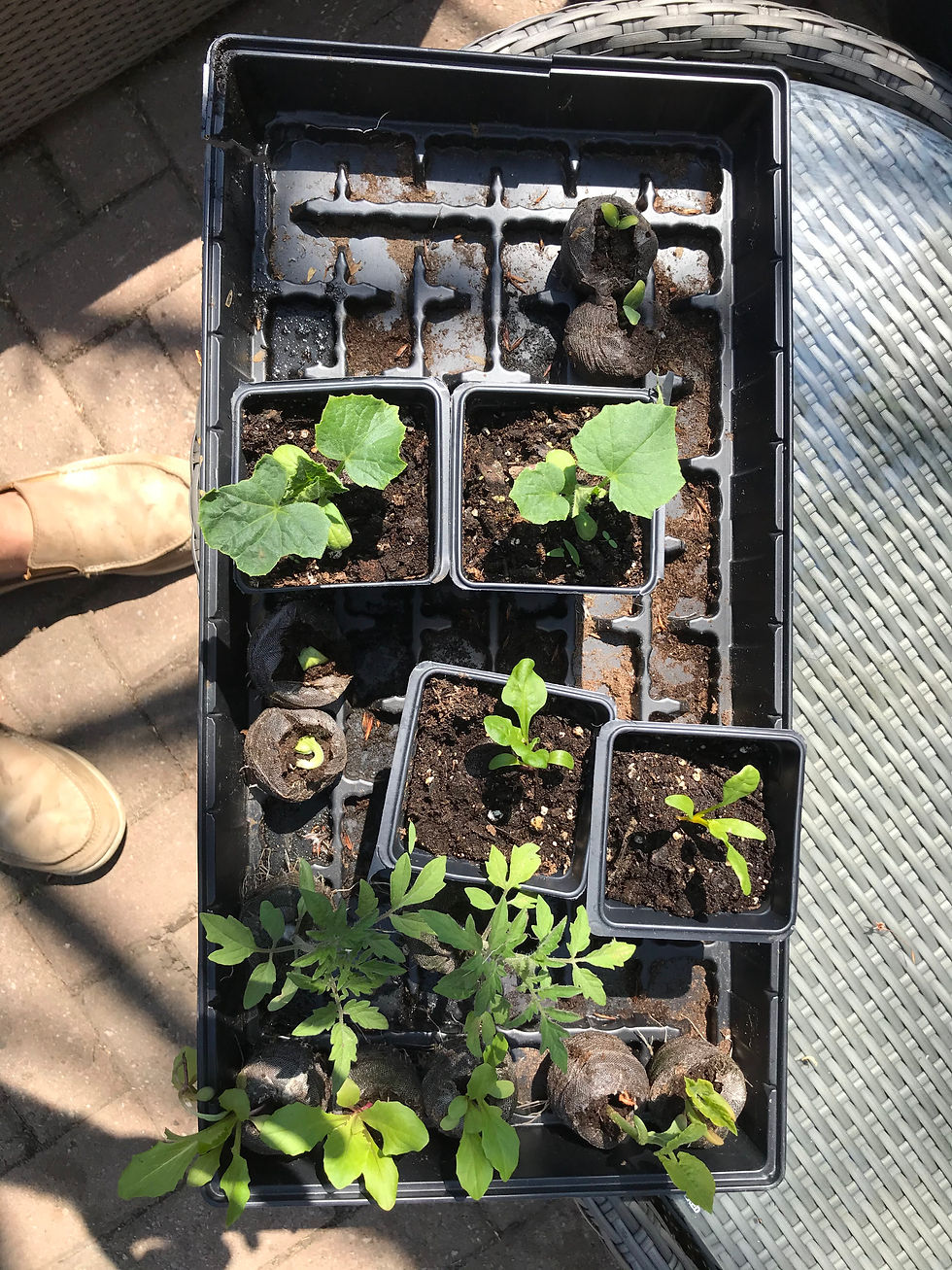
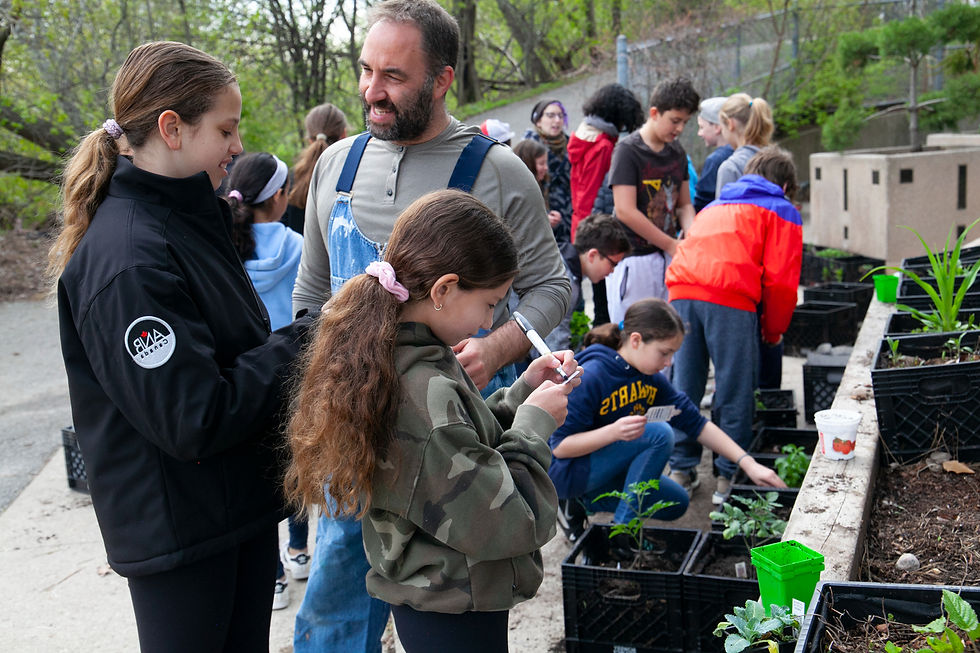
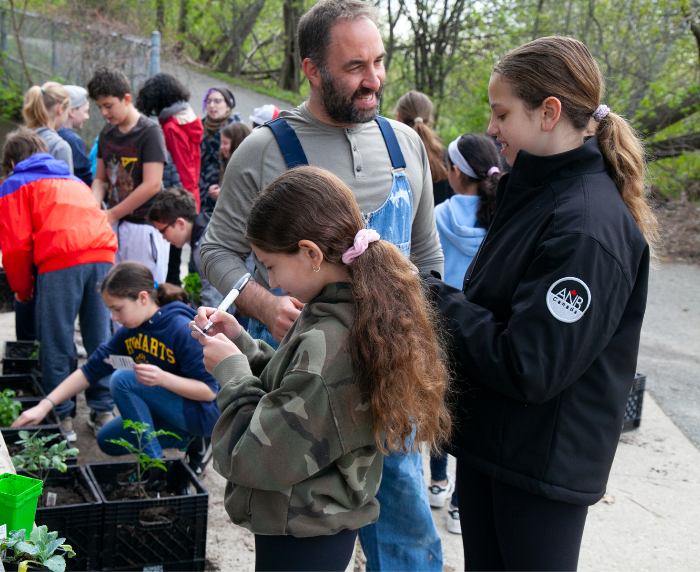
Students practice being Shomrei Adamah, Stewards of the Earth, as they conduct in-school research on waste and water management practices in order to determine effective strategies to create a more sustainable learning environment. Students transform a water-cycle diagram into an ANT (Actor-Network Theory) map to explore the relationships between the living and non-living things in the environment. Students partner with a local environmental agency to perform much-needed habitat restoration work.

Difference Makers

In this unit, students consider what it means to be a positive Difference-Maker by creating, refining, and reflecting on a personal plan to make a positive difference at home, at school, or in the community. Unlike other Tikkun units, this module has three distinct challenges. First, students create a community agreement as a way of developing an understanding of the values and actions that support strong learning communities. Second, they research a diverse group of Change-Makers (including people like Wangari Maathai, Rosalie Abella, David Suzuki, Deborah, Ruth, Esther, Judah Maccabee, and Greta Thunberg, alongside local difference makers) to learn how to make a positive difference through a personal action project. Lastly, students create a presentation designed to teach others how to make a positive difference.

Poverty

An inquiry into poverty allows students to think critically about the diverse experiences, causes, and impacts experienced by many individuals in the community. In partnership with staff and clients from multiple local organizations, students learn about different strategies used in the city to help people dealing with the effects of poverty. By proposing a feasible and impactful action plan, students will contribute to creating a more equitable world. This challenge helps students develop empathy, understand social challenges, and gain confidence in their ability to make a positive difference.

Government and Change

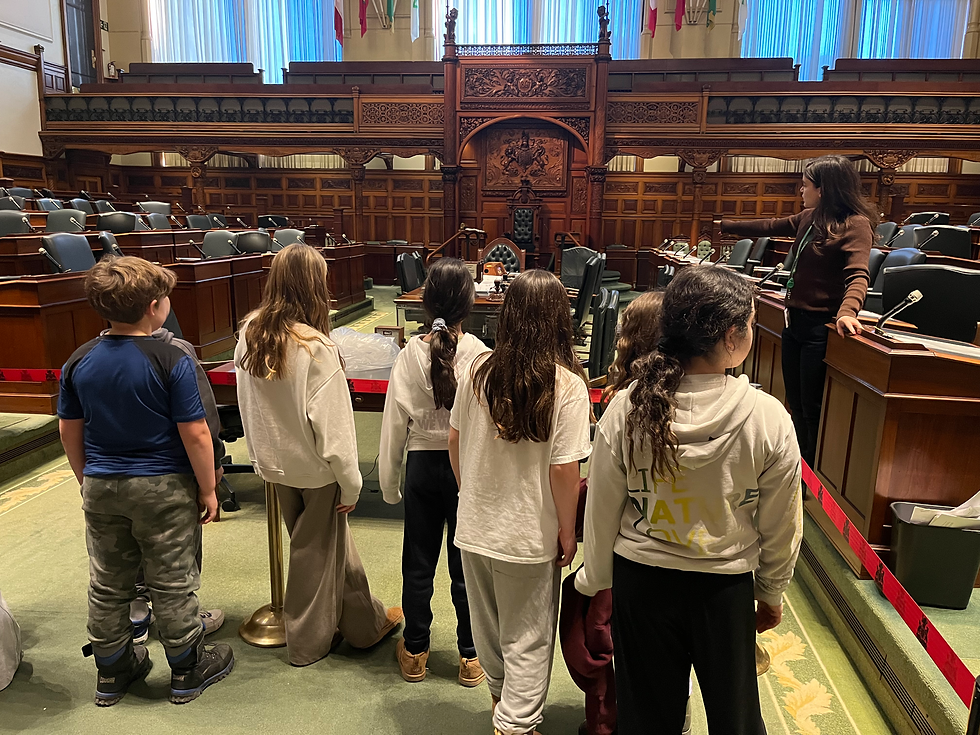
In this unit, students will learn about their rights and responsibilities as citizens in a democratic society. In most jurisdictions, it is a common responsibility of many government officials to meet with students. Establishing a relationship with an elected official can help students understand better how the government operates, including how laws are created and changed and learn about the different roles and responsibilities of elected officials. By collaborating with a government official, students can apply their learning to engage with an authentic local challenge. The Critical Challenge presents an opportunity for students to explore the meaning of Rabbi Hillel's call to action, "Im Ayn Ani Li Mi Li" (If I am not for myself, who will be for me?), as they formulate an action plan to address an important social issue. By practicing civic engagement strategies and engaging in dialogue with elected officials, students can voice their concerns and feel empowered to become active citizens now and in the future.

Immigration

Learning about immigration through personal interviews and research provides opportunities for students to think critically about: the needs and obligations of individuals and societies; the benefits and challenges of supporting diversity in communities; the most important factors that create welcoming and inclusive communities. In an increasingly interconnected world, understanding immigration helps students appreciate the rich tapestry of cultures that make up a diverse society, fostering tolerance, empathy, and a sense of global citizenship. When students consider the immigration stories of close friends, family, and other community members, they can strengthen their sense of connection to the people and places that shape their community. An investigation into experiences of immigration at different historical moments often raises important ethical questions, such as the rights of refugees and asylum seekers, issues of human trafficking, and the treatment of undocumented immigrants.

Sustainability

Students choose and research a product, process, or material, then create a Research Informed Negotiated Action (RINA) project — adapted from Dr. J. Lawrence Bencze's STEPWISE framework (OISE, University of Toronto) — aimed at maintaining an important benefit of its use while minimizing the potential harms it can cause. Informed by the text Bal Tashchit (Sefer HaChinuch 529, "do not destroy"), students build criteria for judging benefit and harm, test those criteria against multiple perspectives and against time itself, and ground their thinking in the actual science of a substance's harms (pure substances, mixtures, and bioaccumulation) before researching, building, and implementing a real action plan with the guidance of community experts and organizations including Environmental Defense, the David Suzuki Foundation, and Jane Goodall Canada.

Diversity

When students from diverse cultural or religious backgrounds work together, they develop the awareness and mindset required to create more inclusive and resilient communities. In today's interconnected world, it is crucial to learn about different cultures, socioeconomic conditions, and religious and political backgrounds, and to understand how to challenge stereotypes and recognize potential biases. This unit begins with students defining diversity and identifying similarities and differences among people in their school, home, and social communities. They then choose an essential cultural or religious practice to explore and share with people from a different community. The process of learning from another and finding common ground while working toward a shared goal teaches vital skills in understanding similarity and difference.

Rooted in shared values

The Tikkun curriculum is grounded in personal responsibility, global citizenship and social equity. These principles sit at the heart of a strong Jewish education, and they are also values that Canadians broadly share.

The curriculum is collaborative, inclusive and flexible by design, so any school or school board in Canada can adapt and use it.

What "Tikkun" means

Tikkun (תיקון) is the Hebrew word for "repair." It is best known from Tikkun Olam, repairing the world. The Tikkun Project looks at repair from three perspectives that healthy, equitable communities need:

  • Tikkun Nefesh: repairing the self, by looking honestly inward.

  • Tikkun Ha'Am: repairing our communities, by examining them closely.

  • Tikkun Olam: repairing the world, by working toward the wellbeing of people, societies and the environment.

bottom of page